Electrical
Minor Electrical Work — Sockets, Switches, Lights and Fans
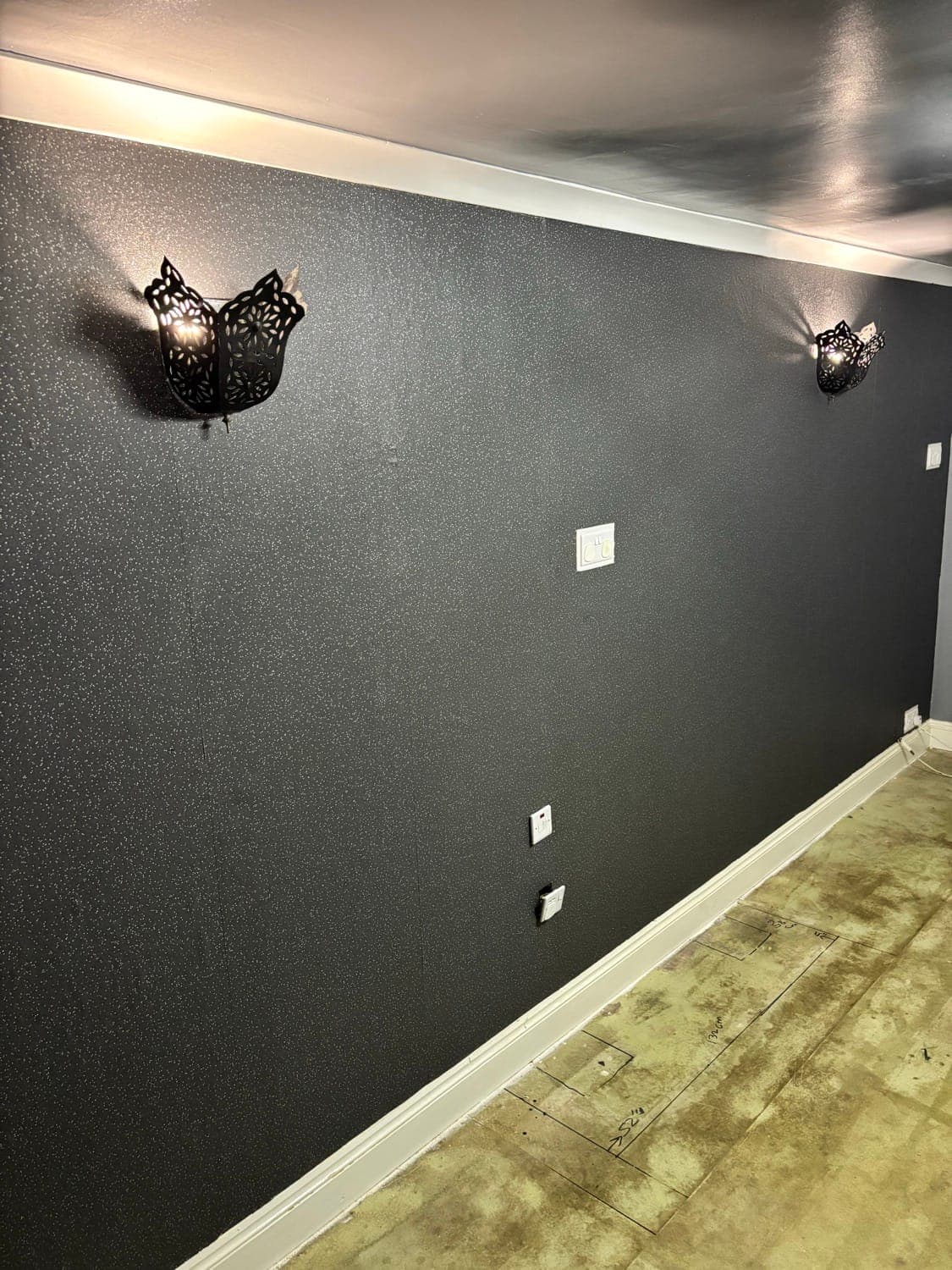
A cracked socket, a switch that has stopped working, a bare pendant that needs swapping for a proper light fitting, a bathroom extractor fan that has given up. Small electrical jobs like these are what this page covers.
The line is drawn clearly. Minor work on existing circuits — replacing and adding sockets, switches, light fittings and fans — is taken on. New circuits, consumer unit changes and any alteration within a bathroom or shower room are notifiable under Part P of the Building Regulations and need a registered electrician, so they are referred on rather than attempted.
What's Included
What We Can Help With
- Sockets and switches replaced like for like
- Extra sockets and switches on an existing circuit
- Light fittings, pendants and downlights swapped
- Dimmer switches and two-way switching
- Extractor fans replaced like for like
- Outside lights and PIR security lights
- Cooker hoods and under-cupboard lighting
- Doorbells, smart doorbells and chimes
- Smoke and heat alarms replaced
- TV, aerial and network points
- Tidying and boxing in surface cables
- Faults on lights and sockets traced
Worth Knowing
Where the Line Is on Electrical Work
Electrical work in England is split by the Building Regulations into work that must be notified to building control and work that need not be. Notifiable work means a new circuit, a consumer unit replacement, or any addition or alteration to a circuit in a bathroom or shower room. It has to be carried out and certified by an electrician registered with a competent person scheme, or inspected by building control. That work is referred on, every time.
Everything else — replacing a damaged socket, swapping a light fitting, adding a socket to an existing circuit in a living room or bedroom, replacing an extractor fan like for like — is minor work. It still has to be done properly: the circuit isolated and proved dead before anything is touched, the right cable and fixings used, connections tight and the finished job tested.
Old fittings are where most surprises live. A pendant that has been up for thirty years often has brittle cable and a ceiling rose that crumbles when it is opened; a socket on a loose back box will not hold a new front plate securely until the box is fixed. Neither is a problem, but both are the kind of thing that turns a five-minute job into a twenty-minute one, and they are mentioned at the time rather than hidden.
If a job turns out to need a registered electrician — a consumer unit with no RCD protection, a circuit that is not safe to add to, anything within a bathroom zone — you will be told plainly, and the rest of the list can still be done in the same visit.
In Practice
Typical Jobs
- Replacing a cracked double socket in a living room
- Swapping a bare pendant for a new ceiling light fitting
- Fitting a dimmer switch in a dining room
- Replacing a noisy bathroom extractor fan like for like
- Fitting a PIR security light beside a back door
- Adding a socket behind a wall-mounted television
Why MR HANDY
Why Use MR HANDY for Minor Electrical Work
Small electrical jobs are rarely worth an electrician's call-out on their own, which is why so many homes have a socket held on with tape or a bare pendant where a light fitting should be. Here they are ordinary jobs, priced as part of a visit and often done alongside decorating, kitchen or handyman work.
Knowing where the boundary sits is part of the service. You will never be told that notifiable work is minor in order to keep the job, and if a registered electrician is needed you will be told what for, so you can book one for exactly that.
Related
Services That Often Go Together
Plumbing
Taps, toilets, leaks, blocked wastes, radiators and appliance connections — everyday plumbing, without the gas.
ViewGeneral Handyman Work
Everyday household jobs, fitting work, assembly, repairs and general maintenance.
ViewHome Improvements
Practical improvement and maintenance work for everyday areas of the home.
View
Questions
Electrical FAQs
Do you take on notifiable electrical work?
Can you fit a light fitting I have bought myself?
Can you add a socket where there is none?
Can you issue an electrical certificate or EICR?
Do you do rewires?
Need Electrical Doing?
Send a description or a few photographs and you will get a clear, no-obligation price.